
As we enter into the Ubaldini Palace, we might erroneously think that it is a symbol of the local history which, however splendid, by now belongs to the past. Indeed, the Palace is lively and dynamic. On the ground floor it hosts a unique jewel, the G. Perugini Theatre, one of the historic theatres of Marche. It was founded in 1876, along with the amateur theatre company which is still active,
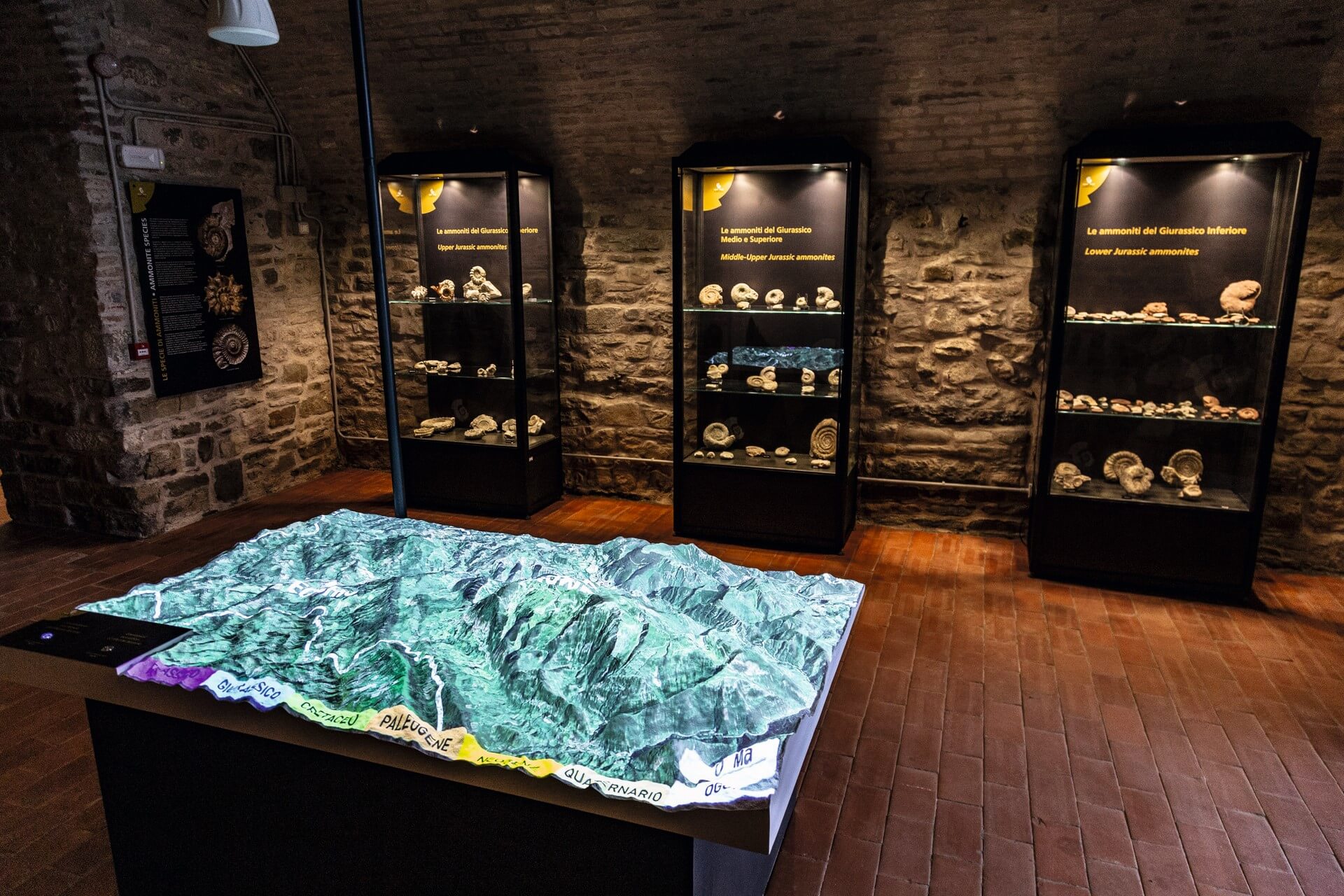
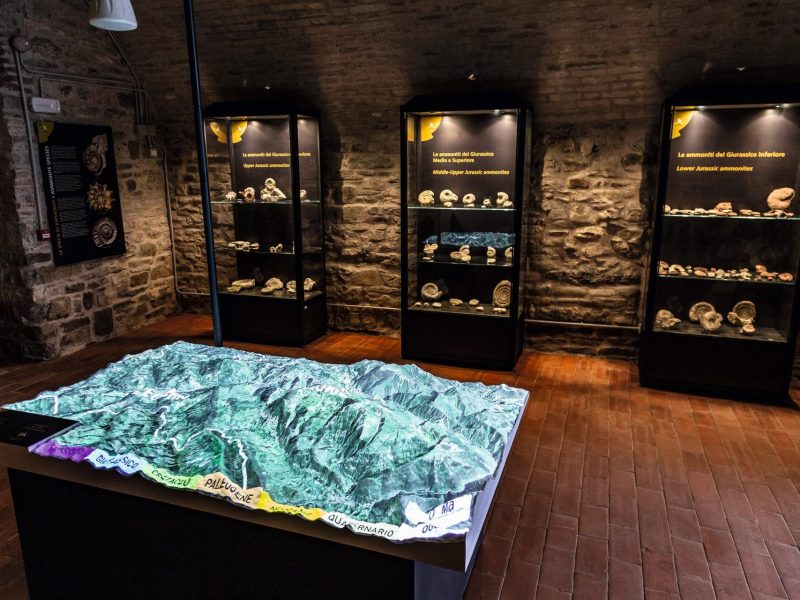
proposes dialect shows and keeps the local tradition alive. The Theatre holds a most peculiar records: with just 42 seats it is the smallest in Marche. Downstairs, into the ancient caves, under the wide barrel vaults there is the Museum of Fossils and Minerals from Mount Nerone.
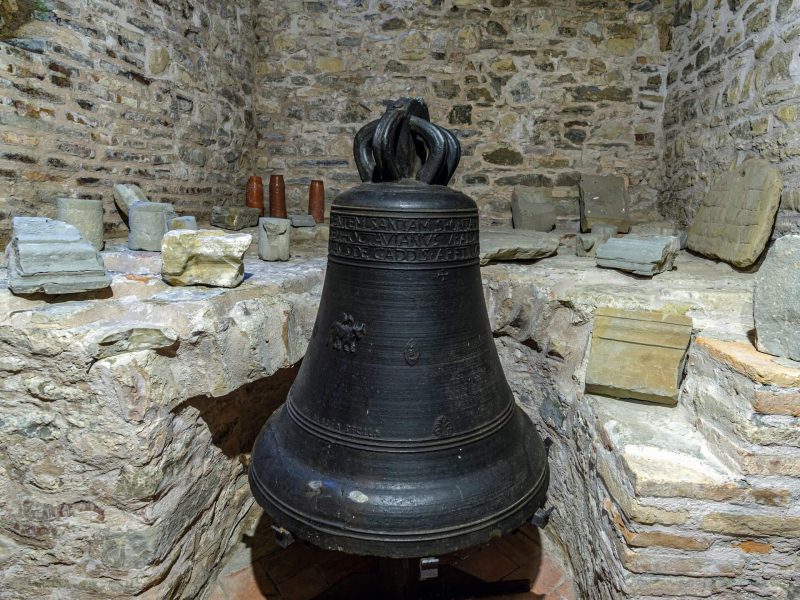
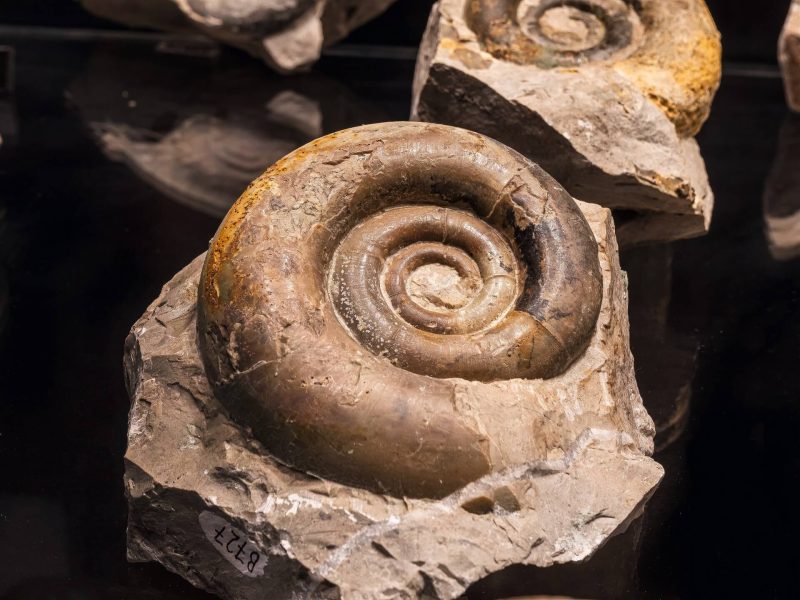
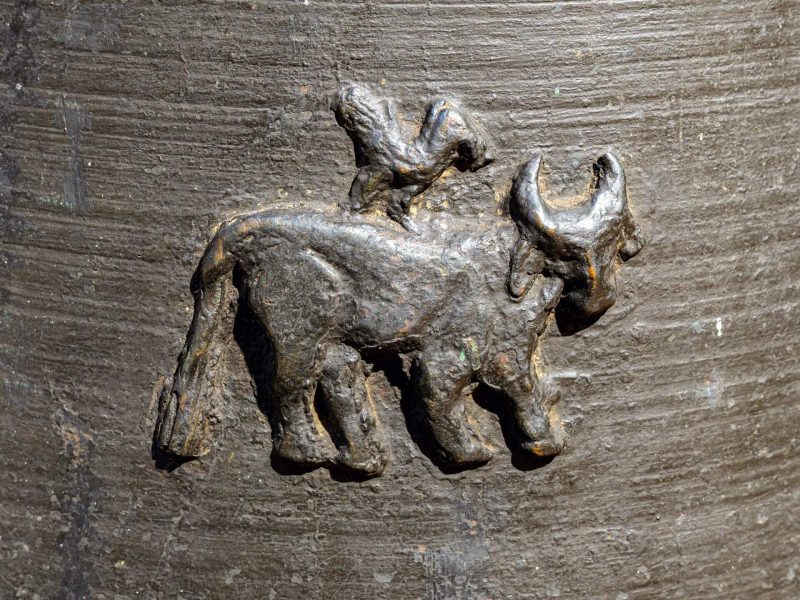
The shells of ammonites, prehistoric sea molluscs, immediately hypnotize our eyes with their spiral shape. How can these animals have been found in the rocks of Mount Nerone? We are used to consider the mountain as an immutable reference point; and yet, on the scope of geological events, a mountain is but one of the many stages in the evolution of the surface of the earth. Where now there are high peaks, millions of years ago there was a tropical sea, where ammonites and many other creatures swam free. The Museum makes us discover the evolution of the environment in the area of Mount Nerone: bones and skulls of such predators as the cave bear are on show along with findings from all around the world and the bizarre septarian stones, rocks which become fluorescent after being hit by UV light. Very interesting is also the collection of bells recovered from the parish churches of Apecchio. The most ancient dates back to the XIV century; on the Ubaldinis bell, from the XVII century, we can remark the emblem of Apecchio, a woodpecker on the back of a cow. According to a legend, the Ubaldinis melted their gold to make it, in order to get an incomparably sweet sound. The visit to the Museum is made clear and effective by a number of explanatory panels, both in Italian and in English, and by many interactive multimedia supports which help visitors to immerse into remote ages and to listen to the waves of the sea where now the wind blows on the mountain peaks.


Apecchio