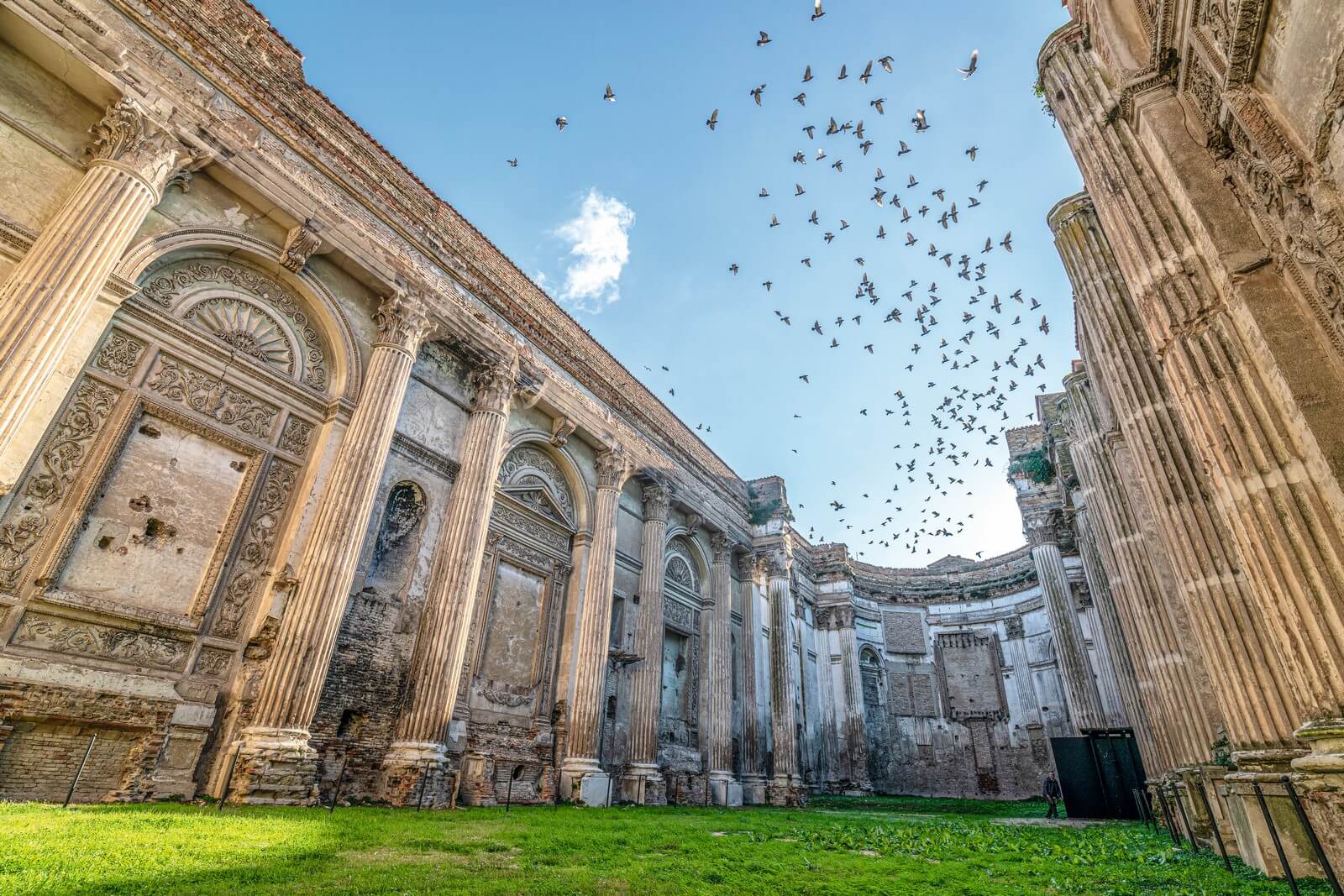

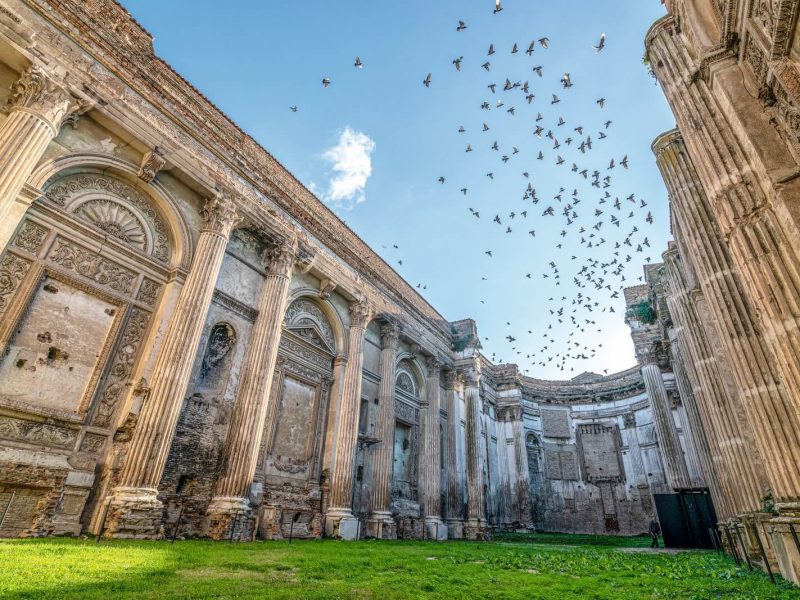
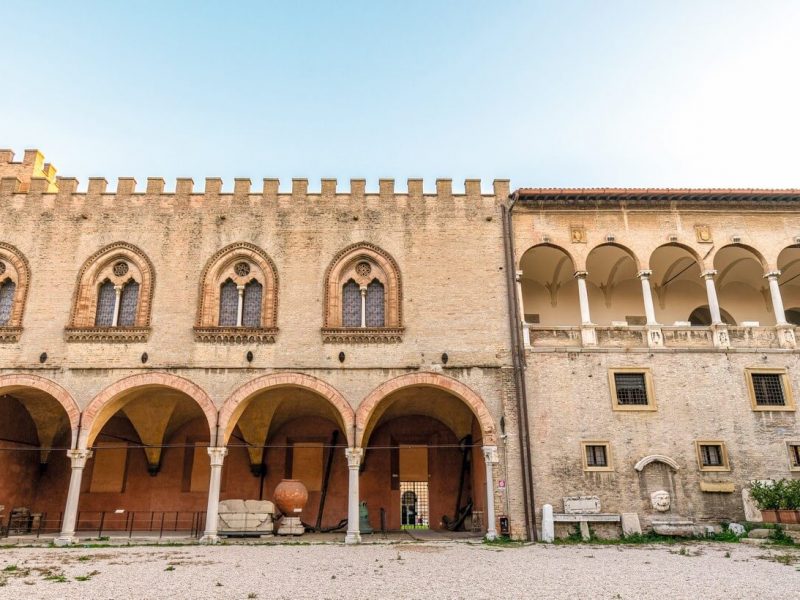
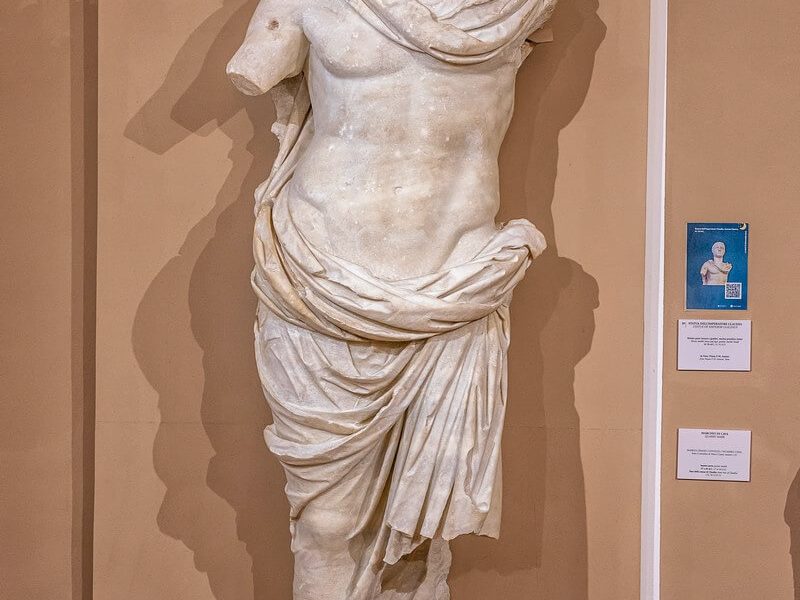
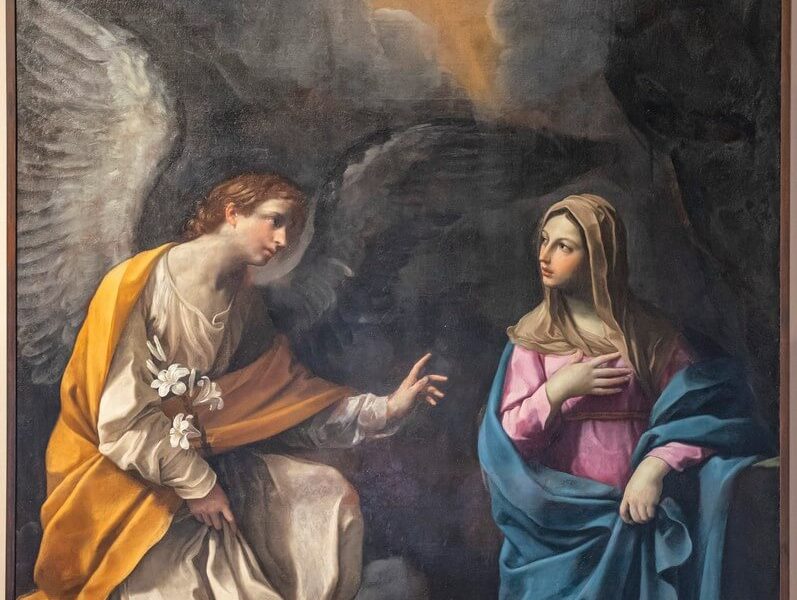
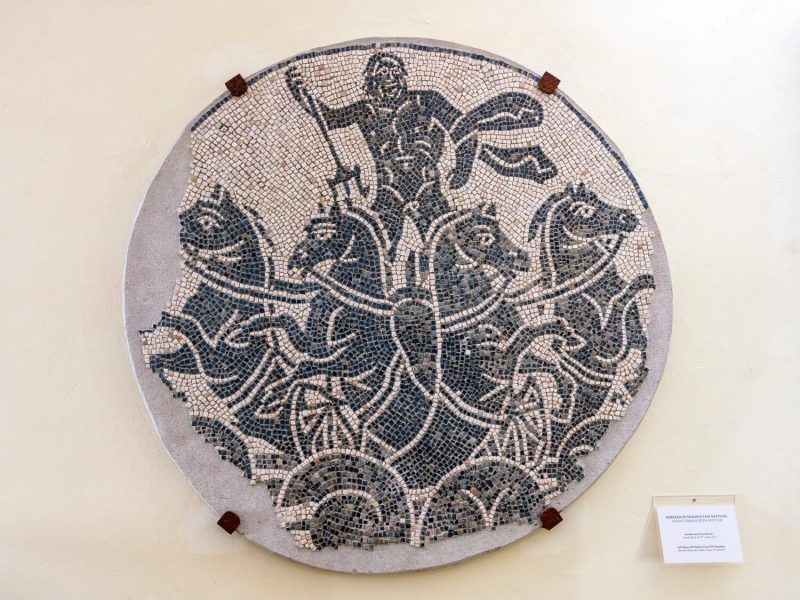
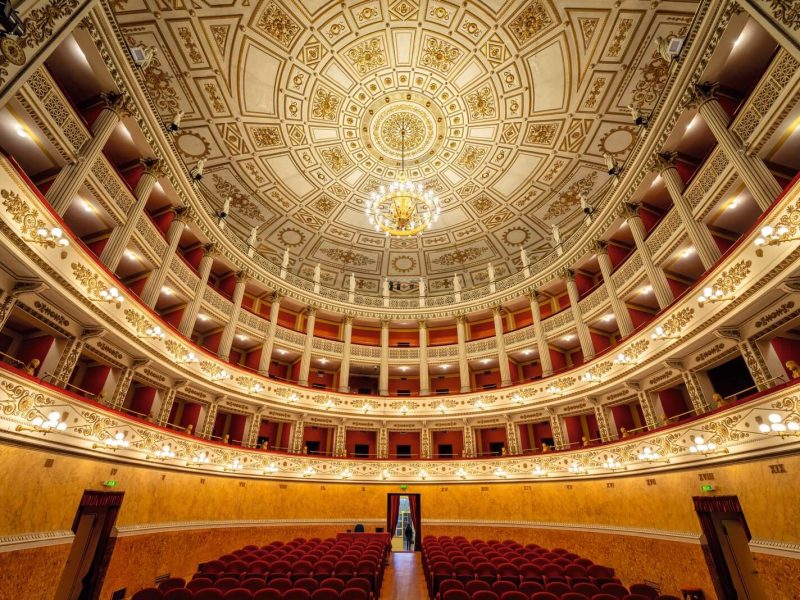
The story of Fano was written, during the Renaissance, by the rich and powerful Malatesta family, and the very strong marks its dominion left on the city. One of these is the Malatesta Palace, the beautiful residence of the Signoria. Through the atrium of the Palace, where the elegance of the Palace can be admired from inside, one enters the Civic Museum, which occupies two levels. On the first there is the Archaeological Section, with a most rich collection: between amphorae recovered from the sea and beautiful mosaics, stands out the imposing statue of emperor Claudius, whom people in Fano cheerfully call “Maver”, which in the local dialect means “unwilling to work”, since the statue misses its arms. On the staircase one meets the bronze statue of Fortuna, the patron and the emblem of the city, a copy of which stands on the Fountain of Fortuna in XX September square. Upstairs the Art Gallery hosts such important paintings as the Annunciation by Guido Reni and Guercino’s Guardian Angel. Here is also shown a well kept doublet that belonged to Pandolfo III, an important Malatesta lord whose grave, along with Paola Bianca Malatesta’s and Bonetto di Castelfranco’s, all richly sculptured, is placed in the loggia accessible through the deconsecrated St. Francis’ church. This is a unique place, since the main structure survives even though roofless, making it an incredibly fascinating open-air monument. Another Malatesta inheritance is the homonymous Rocca Malatesta (Citadel), whose imposing and rigid quadrangular structure, inserted into the Malatesta walls (external to the Roman walls) was a formidable shield for the defence of the town. The Citadel is nowadays the location for important events, which in the internal court find a really suggestive frame. The same use is made of Sangallo Bastion, another defensive fortification created by Antonio da Sangallo il Giovane at the south-east extremity of the wall belt, in front of the sea. Another very important cultural place in town is the Theatre of Fortuna, created in the XIX century by Luigi Poletti to replace the ancient homonymous theatre built by the great set designer Giacomo Torelli. The Theatre hosts rich opera and drama seasons, on the stage that appears after raising the beautiful curtain portraying the entrance of Emperor Augustus in ancient Fanum Fortunae

Fano